Strategic Control from Source to Service
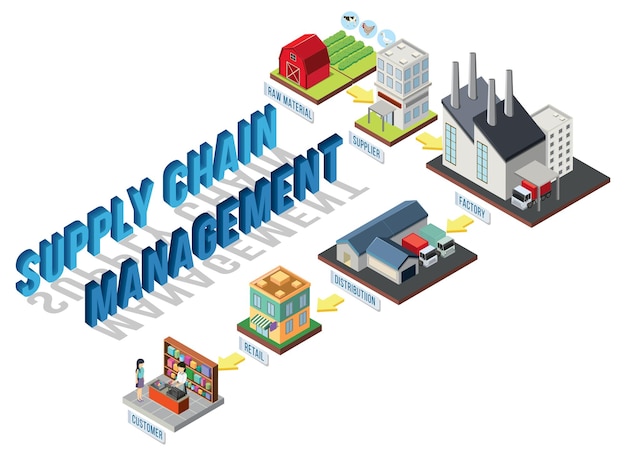
Supply Chain Management (SCM) is more than logistics—it’s the strategic control of goods, services, and processes from raw material to final product. Whether you’re sourcing stainless steel for a commercial kitchen or managing medical supplies in a hospital, SCM directly impacts cost, availability, and operational success.
Why Upstream Awareness Matters
A skilled supply chain manager doesn’t just monitor their own inventory—they track the supply chain of their suppliers. Understanding upstream conditions helps:
For example, labor unrest in mining today could raise equipment costs next year. Staying informed helps you stay ahead.
Balancing Inventory and Insight
Effective SCM requires continuous analysis of:
With the right data, managers can set minimums and maximums, trigger timely orders, and prevent shortages.
Must-Have Inventory Software Features
A robust inventory management system should:
These features form the foundation of a resilient supply chain.
SCM in Healthcare
Healthcare organizations are both suppliers and end users. PSC recommends keeping SCM control in the hands of the user organization to ensure:
Every RFP should embed these directives, placing responsibility on the supplier to meet them and provide documentation. SCM reviews, approves, and archives this data.
Outcome-Based SCM
SCM isn’t just about moving goods—it’s about improving productivity, quality, and efficiency. A great supply chain manager:
SCM oversees every touchpoint—from creation to disposal. With so many opportunities to add or lose value, it’s vital to have the right professional guiding the strategy.
PSC is dedicated to helping clients create an environment where individuals and enterprises can flourish by simplifying complex processes and establishing consistency across operations. We capitalize on decades of experience and a comprehensive library of best practices. This foundation enables PSC to design and implement tailored solutions that meet specific client needs effectively. Overall, PSC’s integrated and outcome based approach supports sustainable growth for both people and businesses.
© 2025 Problem Solved Consulting
